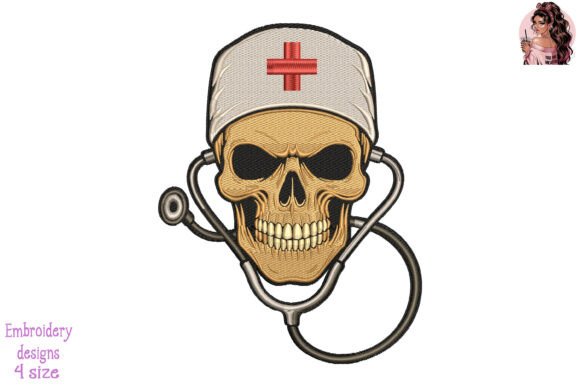
Reviewing Deadly Diagnosis Embroidery for Gifts
As an embroidery designer who has spent years testing digital files against real-world fabrics, I approach every new machine embroidery design with a mix of curiosity and caution. When I first loaded the Deadly Diagnosis Embroidery file into my software, I was struck by its bold narrative. This is not your typical floral motif or cute animal silhouette. It is a daring piece of handcrafted art that confronts themes of mortality, truth, and the human condition. For those of us in the business of creating meaningful personalized gift items, understanding how such a provocative design translates from screen to stitch is crucial.
First Impressions: Mood and Aesthetic Appeal
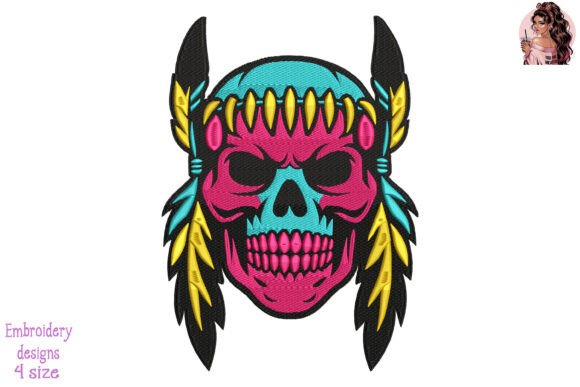
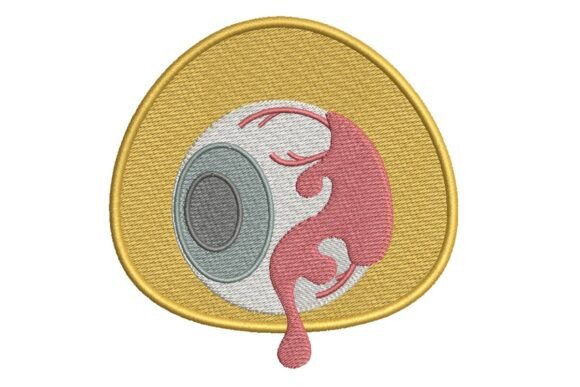
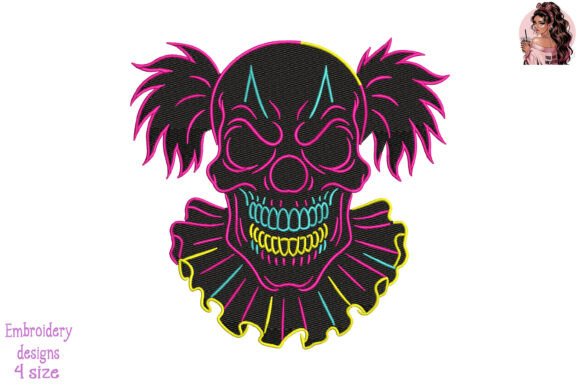
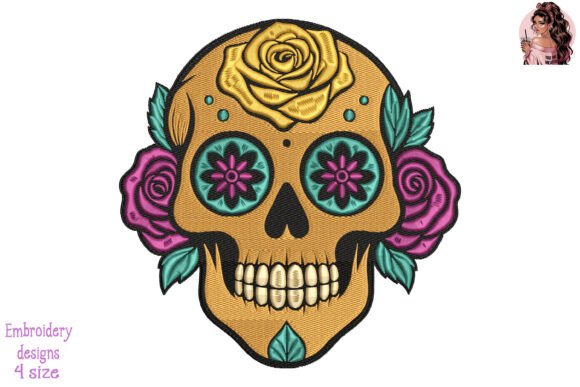
The immediate visual impact of Deadly Diagnosis Embroidery is intense. It feels modern, edgy, and deeply thought-provoking. While many designs aim for sweetness or traditional elegance, this piece leans into a darker, more philosophical aesthetic. It possesses a certain charm that appeals to customers who appreciate irony, dark humor, or profound statements. For an Etsy seller or small shop owner, this design offers a unique niche. It stands out in a sea of generic patterns, making it ideal for customers looking for something that sparks conversation.
However, because it falls under the Halloween category yet deals with heavy themes, its appeal is specific. It is not merely seasonal; it is thematic. The detail level appears high, suggesting that the designer intended for the text and imagery to be read clearly. This emotional appeal is strong, but it requires careful placement to ensure the message lands correctly without appearing chaotic.
Versatility in Personalized Products
One might assume a design with such a heavy title is limited in application, but I found several creative avenues for custom embroidery projects. The key is matching the recipient’s personality to the product.
- Tote Bags and Aprons: This is perhaps the strongest use case. A canvas tote or a sturdy kitchen apron provides a flat, stable surface for the design. It transforms a utilitarian item into a statement piece for someone with a dry sense of humor or a medical professional who appreciates dark wit.
- Pillow Covers: For home decor enthusiasts, a throw pillow featuring this design can serve as a quirky accent in a modern living room or a study. It adds texture and narrative to the space.
- Embroidered Towels: While possible, using this on an embroidered towel requires caution. The texture of terry cloth can obscure fine details. If used here, it should be on a flat-woven section or a decorative hand towel rather than a bath sheet.
It is important to note what this design is not suitable for. I would strongly advise against using Deadly Diagnosis Embroidery for baby embroidery or nursery decor. The themes of mortality and diagnosis are incongruent with the softness and innocence expected in baby blankets or nursery items. Similarly, while it could technically be stitched on a wedding item, it lacks the romantic or celebratory tone typically desired for a wedding gift. It is better suited for friends, colleagues, or self-purchase rather than traditional ceremonial keepsakes.
Technical Considerations for Stitching
Before running this digital embroidery file on a customer’s expensive fabric, thorough testing is non-negotiable. Here are the practical steps I took during my review:
- Fabric Texture and Stability: The design features bold text and potentially intricate borders. On textured fabrics like thick towels or chunky knits, small details may get lost. I recommend using a cut-away stabilizer to prevent puckering, especially if the stitch density is high. Always test on scrap fabric first.
- Thread Color Contrast: To ensure readability, high contrast between the thread and fabric is essential. If stitching on dark fabric, use bright or metallic threads. For light fabrics, deep blacks or navy blues work best. Check your thread colors against the final product to ensure the message is legible from a distance.
- Hoop Size and Placement: Verify the required hoop size before starting. If the design is large, ensure your machine can accommodate it. For curved surfaces like caps or fitted shirts, consider splitting the design or using a smaller version if available, though this specific design seems best suited for flat areas.
- Washability: Since this may be used on items like aprons or tote bags that require frequent washing, ensure the threads are colorfast and the stabilizer is trimmable to reduce bulk. A finished product must withstand wear and tear to maintain perceived value.
Impact on Giftability and Business Value
From a business perspective, Deadly Diagnosis Embroidery can significantly enhance customer trust and engagement if marketed correctly. It signals that your shop offers unique, curated designs rather than mass-produced clipart. This builds a reputation for quality and creativity.
When photographing the finished product, focus on the clarity of the stitches. A well-executed version of this design looks premium and intentional. Use a printable mockup to show potential buyers how it looks on different items before they commit. This reduces hesitation and increases conversion rates. For small shop product lines, offering this as part of a "Dark Humor" or "Thoughtful Edges" collection can attract a loyal demographic that values authenticity over traditional prettiness.
However, transparency is key. Ensure you have the correct commercial embroidery license. Since the prompt does not specify the license terms included with Deadly Diagnosis Embroidery – Bold, Thought-Provoking Textile Art Deadly Diagnosis Embroidery is a daring piece of handcrafted art that confronts themes of mortality, truth, and the human condition. W, you must check the designer’s documentation before selling finished goods. Never assume a standard download includes commercial rights.
Final Verdict for Crafters
Deadly Diagnosis Embroidery is a powerful tool for the right creator. It is not a universal design, but for those targeting an audience that appreciates bold statements and modern aesthetics, it is invaluable. It performs best on stable, flat fabrics like cotton canvas, denim, or polished cotton blends. Avoid stretchy baby clothes or delicate silks where the weight of the stitches might distort the fabric.
By treating this design with the technical respect it demands—checking density, choosing high-contrast threads, and using proper stabilization—you can create a handmade product that resonates deeply with buyers. It turns a simple textile item into a piece of art that challenges and engages, perfectly aligning with the growing demand for personalized, meaningful gifts in the modern marketplace.